
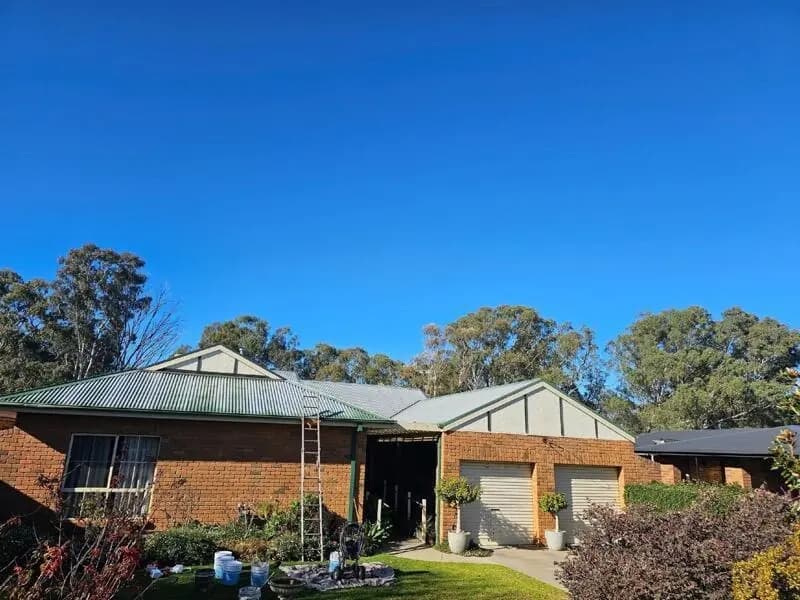
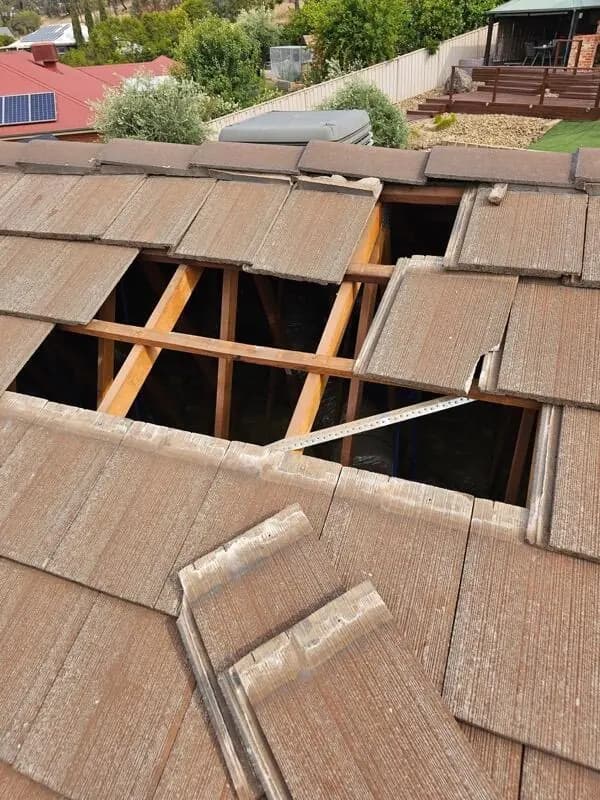



Two quotes, the same words, thousands apart. Here is what separates them, and how to tell which one your roof actually needs.
What's the difference between rebedding and repointing?
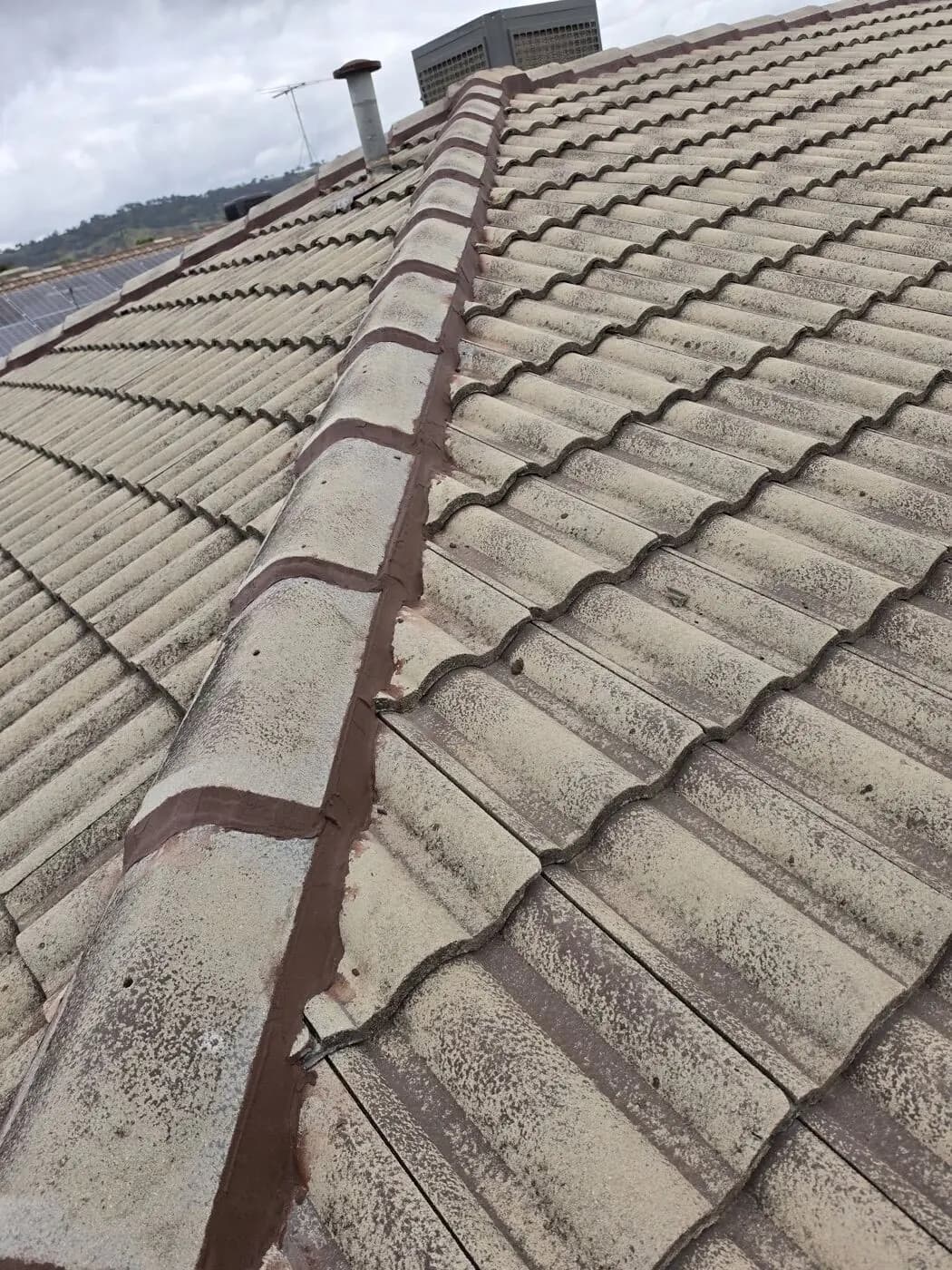
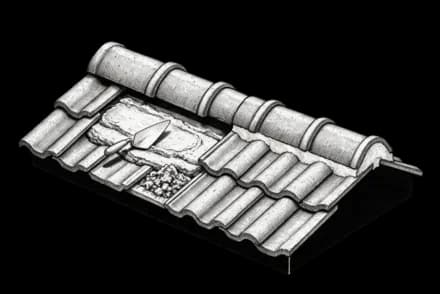
Repointing replaces the visible mortar along the edge of your ridge capping. Rebedding lifts the capping off and re-lays it on a fresh bed of mortar underneath. Pointing is the weatherproofing. Bedding is what holds the capping in place. Repointing over failed bedding looks identical on the day and fails within a few years.
That's the whole thing, and it's why two quotes for what sounds like the same job can be a long way apart. One is doing half the work.
What your ridge capping is actually sitting on
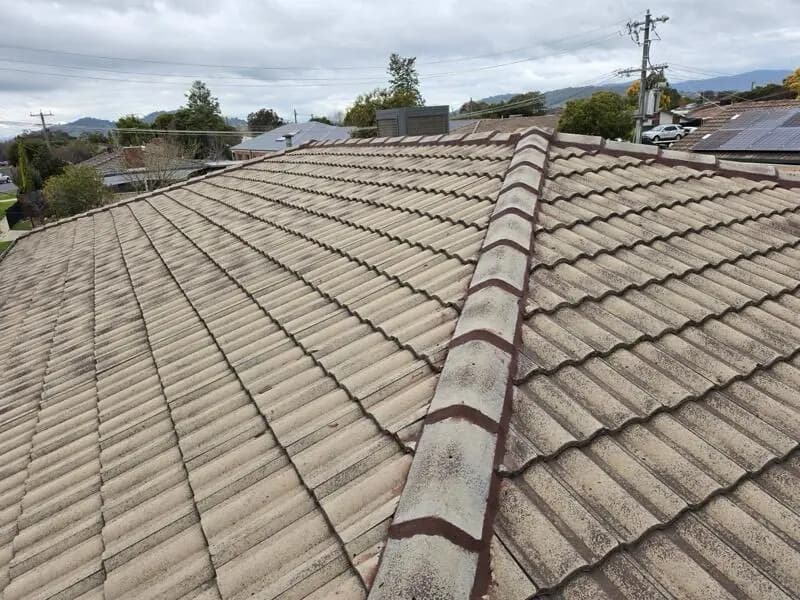
Along every ridge and every hip of a tile roof there's a row of capping tiles. They don't clip on. They sit on a bed of mortar that was trowelled on when the roof went up, and then a narrower line of pointing seals the edge where the capping meets the tiles.
The bedding is structural. It's what stops the capping moving in wind. The pointing is weatherproofing, and it's the only part you can see from the ground.
On most houses around Corowa and Albury Wodonga, that mortar is the oldest thing on the roof. The tiles might have another thirty years in them. The bedding often doesn't.
How do I know which one my roof needs?
If the pointing is cracked or crumbling but the capping tiles are still firm when pushed, you're probably looking at a repoint. If any capping rocks, sits crooked, or you can see daylight under the edge of it, the bedding has gone and repointing won't fix it.
From the ground you can usually see the first half of that. Hairline cracks along the ridge line, or bits of mortar sitting in the gutter, mean the pointing is at the end of its life.
- Mortar crumbs in the gutter or on the ground below the ridge
- Hairline cracks running along the ridge line
- Capping that sits unevenly, or a gap you can see light through
- One aspect much worse than the others, usually the weather side
What you can't tell from the footpath is the state of the bedding, because it's underneath. That's the bit I have to get up and check, and it's the bit that decides the price.
Does the whole roof need doing?
Often not. It's common for one run of ridge to have gone while the rest is sound, usually whichever aspect takes the weather. There's no reason to pay for the whole roof if two runs are the problem.
I check every run rather than pricing the roof as one number, and the quote says which runs are included. If someone quotes you a single figure for the lot without telling you what state each run is in, they haven't looked properly or they're covering themselves.
Flexible pointing or sand and cement?
A flexible pointing compound moves with the roof as it expands and contracts through summer and winter. Sand and cement doesn't, which is why the original pointing on a house from the seventies or eighties is cracked now.
I use a flexible pointing. It costs more than mixing sand and cement on site, and it's the difference between a job that lasts and one that looks good for a couple of years.
What actually happens on the day
The capping comes off and gets cleaned up. Anything broken gets replaced and matched. Fresh mortar goes down, the capping goes back on it, and then the pointing runs along both sides of every run.
Before I leave, the old mortar comes out of the valleys and gutters. That part gets skipped more often than you'd think, and it's what blocks a downpipe six months later.
It's priced by the metre of ridge, so you can see exactly what you're paying for rather than one number for the roof.
Still not sure?
Every roof is different and there is a limit to what any article can tell you about yours. If something here sounds like what you are looking at, get in touch and I will come and have a proper look.
- Why the moss comes back after a pressure washBecause lichen isn't dirt. It has a root system, and the water pressure only takes the top off it.
- How often should you have your roof looked at?Roofs don't fail loudly. By the time there's a stain on a ceiling, the thing that caused it has usually been going for years.